

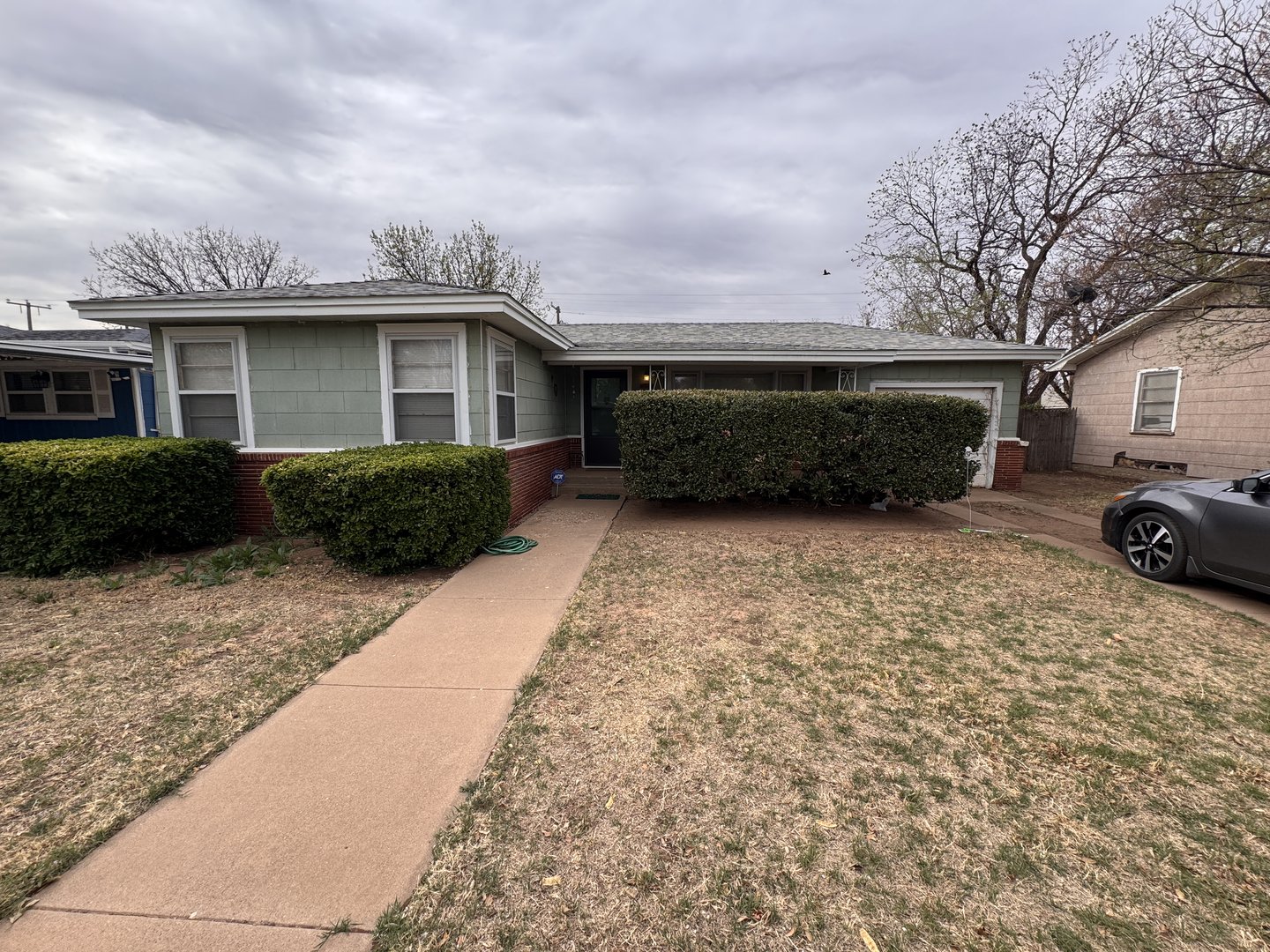
Lubbock has genuine investment fundamentals: a major university driving consistent rental demand, a stable healthcare and agriculture economy, and entry prices that make the math work for buy-and-hold investors. But the difference between a good rental and a money pit usually isn't the rent — it's the condition. That's my lane.
Where the demand is
The area around Texas Tech is the obvious rental engine — students need housing every single year, and well-located properties near campus stay occupied. Beyond that, Lubbock's rental corridors follow jobs: the medical district, and the growth areas where new households are forming faster than for-sale inventory can absorb them. I help investors match property type to tenant pool — student rentals, workforce housing, and single-family rentals are different businesses with different math.
The condition equation
Here's what most investment analysis skips: the real cost of ownership. A cheap purchase price means nothing if the roof has three years left, the HVAC is original, and the foundation needs piers. I underwrite properties the way a contractor would — what will this building actually cost to own over the next ten years? Deferred maintenance, system ages, and renovation quality all go into the number. An investor who knows the true cost can bid with confidence; one who doesn't is guessing.
What I bring to investors
Off-market and coming-soon awareness from working the area daily. Honest condition assessments before you write an offer — I'll tell you when to walk away. Contractor's-eye estimates on what repairs will actually run. And property management connections for investors who don't want to be landlords day-to-day. Whether it's your first rental or your tenth, the goal is the same: buy right, know your costs, and let the asset perform.
Financing and getting started
Investment financing works differently from buying a home to live in — different down payment requirements, different loan products, and lenders who want to see the property's numbers, not just yours. If you're new to investing, the first step is a conversation with a lender who actually does investment loans, so you know your real budget before you start analyzing deals.
And start with the end in mind: are you self-managing or hiring it out? Your answer changes which properties make sense. A duplex near Tech with high turnover is a different job than a single-family rental in a quiet neighborhood. I connect first-time investors with reputable local property managers so you can decide with real numbers, not guesses.
Looking at Lubbock investment property? Let's run the real numbers together — purchase, condition, and carry costs, all of it.